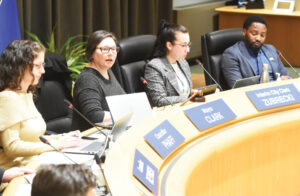
Councillors will be presented an updated bylaw proposal on urban hens during the second quarter of this year. The issue was last in front of council in September 2025 and was sent back to staff for further research.--NEWS FILE PHOTO
bmiller@medicinehatnews.com
City staff have completed research and are providing councillors with three options to move forward with an urban hen project that would allow Hatters to raise the birds in their backyards.
Advocates have been seeking allowance of backyard urban hens for several years dating back to 2015.
The project most recently came up again for discussion at city council in September 2025. At the time, councillors directed staff to present them with a new draft bylaw on backyard hens.
During a recent development and infrastructure committee meeting Thursday, staffers presented councillors with three recommendations to move forward.
The first is the adoption of a new comprehensive bylaw that would regulate urban hens in Medicine Hat based on best practices identified and community feedback.
However, staff insist robust public engagement is critical before implementing any changes.
“One of the clearest messages we’ve heard resoundingly from our residents is that they expect to be involved in decisions that affect the welfare of their neighbourhood, especially related to nuisance, public health and community,” said Shawn Champagne, city senior planner.
Likely included in this proposed bylaw would be a list of requirements Hatters would have to adhere to by including an annual licence renewal, a flock limit of two to six hens, provincial registration, training courses, coop and site standards, plus neighbours would have to provide consent.
“This ensures continued compliance and it allows enforcement officers to verify compliance,” explained Champagne. Provincial registration is mandatory throughout the province and that is to address disease control, such as avian influenza.
“Training is universally required because improper coop construction, poor hygiene, inadequate ventilation can create problems for both neighbours and the birds themselves.”
Alongside several smaller municipalities that allow backyard hens, larger cities such as Calgary, Edmonton, Red Deer, Airdrie, Grande Prairie and St. Albert also allow citizens to raise a limited number of chickens in their backyard.
Research conducted by city staff shows the issue can be polarizing within communities.
After holding a public engagement survey the City of Lethbridge received little support on backyard hens and does not allow them.
All these municipalities enforce their urban hen programs through specific bylaws or through the Responsible Animal Ownership bylaws.
The second option for council consideration would be to adopt changes to the wording of its Responsible Animal Ownership bylaw by no longer including “chickens” as livestock, which is not permitted within the city.
This change would not require more public engagement and would not add any new enforcement mechanisms to implement and would be a simple wording change to the bylaw to remove the prohibition on chickens
The third option would be to put the project to bed and cease engagement and research on backyard hens altogether.
Advocates for the project say benefits include self-sufficiency, composting, landfill reduction and fertilization.
The issue is expected to be presented to councillors for consideration during a public meeting within the second quarter of this year.